
Lakefront Properties in Port Huron: A Complete 2026 Overview
Lakefront properties in Port Huron line the blue corridor where Lake Huron meets the St. Clair River, creating a shoreline that stretches for roughly 7 miles from Lighthouse Beach to the Blue Water Bridge. According to Realtor.com, overall residential listing prices in Port Huron generally cluster between $180,000 and $260,000 as of late 2025, with direct waterfront homes trading at meaningful premiums. This 2026 overview focuses on how location, amenities, and regulatory details shape value along this distinctive Michigan shoreline.
How Do Different Port Huron Lakefront Zones Compare?
Lakefront properties in Port Huron organize naturally into several zones, each with distinct characteristics. North of Holland Avenue, homes near Lakeside Beach and along Gratiot Avenue enjoy broad Lake Huron views combined with sandy shoreline access. Closer to downtown, properties near Thomas Edison Parkway and Huron Avenue prioritize riverfront frontage along the St. Clair River, where commercial traffic and freighters pass under the Blue Water Bridge every few minutes. South of Military Street Bridge, shoreline parcels transition toward industrial and marina-focused uses, with fewer single-family homes directly on the water.
Evening walks along Thomas Edison Parkway bring the steady thrum of engines from Great Lakes freighters gliding past Desmond Landing, while the scent of the river mingles with grilled food from patios on Quay Street. Lights from McMorran Place and storefronts along Huron Avenue reflect across the dark water, broken occasionally by the glow of a passing tug. The textured stone along the seawall feels cool under a hand resting between photo stops at the ornamental railings.
According to neighborhood mapping and amenity data from Redfin, walkable lakefront-adjacent blocks near downtown often achieve Walk Score ratings in the range of 60 to 70, while northern stretches around Lakeside Park and Sanborn Park score slightly lower because of lower density. Nonetheless, direct-waterfront streets such as Beach Road, Erie Street, and portions of Riverside Drive command premiums that often exceed inland homes by 20% to 35%, depending on frontage and views.
What Price Ranges Define Lakefront Properties in Port Huron?
Price ranges for lakefront properties in Port Huron vary widely depending on whether the frontage faces Lake Huron or the St. Clair River. Based on listing trends tracked by Zillow through early 2026, many renovated inland homes close to the water but without frontage trade between roughly $220,000 and $350,000. Direct-waterfront single-family homes more commonly list between approximately $450,000 and $900,000, with select luxury estates surpassing $1.1M when combined frontage and square footage are substantial.
Condominiums along the riverfront near River Street Marina and developments close to Military Street Bridge add a separate pricing tier. According to mid-2025 data compiled by Realtor.com, many waterfront or water-view condos in Port Huron fall in a band from about $230,000 to $400,000, depending on building age, balcony exposure, and covered parking. Monthly association fees can range from roughly $250 to $450, with higher fees typically covering amenities like indoor parking, fitness rooms, and riverfront common decks.
Carrying costs extend beyond list price, particularly along the Lake Huron shoreline. St. Clair County tax data summarized by St. Clair County Equalization indicates that effective property tax rates generally fall between about 1.5% and 2.2% of taxable value. Insurance premiums for properties within designated flood hazard areas or exposed directly to wave action can add several hundred to more than $1,500 annually, depending on elevation certificates and mitigation features.
Which Neighborhood Amenities Most Influence Lakefront Value?
Access to parks, beaches, and cultural amenities substantially influences value for lakefront properties in Port Huron. Lakeside Park, Lighthouse Beach, and Pine Grove Park anchor recreational demand, drawing residents for swimming, playgrounds, and shaded picnic areas during the roughly 90-day prime summer season. According to the City of Port Huron Parks and Recreation listings on PortHuron.org, more than 20 public parks and waterfront spaces lie within a short drive of most shoreline homes, adding lifestyle value that often supports steady resale interest.
On sunny July afternoons at Lakeside Beach, the fine sand warms bare feet while the faint smell of sunscreen hangs in the air near the volleyball courts. Waves roll in with a soft, rhythmic hiss, and the bright blue of Lake Huron stretches beyond the breakwall, contrasting with the green lawns along Gratiot Avenue. Children’s laughter carries from the splash pad, mixing with music drifting from open car windows in the parking lot near the concession stand.
Educational and cultural access also shapes buyer preferences along the waterfront. GreatSchools ratings cited by GreatSchools indicate that Port Huron Northern High School and Port Huron High School hold solid mid-to-upper range scores, supporting family demand within lake-access neighborhoods. Proximity to St. Clair County Community College, the Studio 1219 arts center on Military Street, and entertainment at McMorran Place further differentiates downtown-adjacent riverfront from more purely residential stretches near Holland Woods Middle School or Roosevelt Elementary, giving each shoreline cluster a particular appeal.
How Do Regulations, Erosion, and Infrastructure Affect Ownership?
Regulatory and environmental factors play a defining role along Lake Huron and the St. Clair River. According to shoreline guidance from the Michigan Department of Environment, Great Lakes, and Energy, many structural changes within a certain distance of the ordinary high-water mark require review or permits, especially for seawalls, groins, or dredging. Water levels on Lake Huron have fluctuated by roughly 3 to 4 feet over recent decades, with higher levels occasionally increasing erosion risks on exposed lots along Beach Road and other open-lake stretches.
Infrastructure conditions also affect long-term costs. Older seawalls and breakwalls along portions of Erie Street and Riverside Drive may require reinforcement or replacement within a 10- to 20-year horizon, depending on construction materials and exposure. Engineering reports cited in local planning documents suggest that professionally installed steel seawalls can cost from around $700 to more than $1,200 per linear foot, while stone revetments frequently total between $300 and $800 per linear foot, excluding design and permitting expenses.
Transportation and utility infrastructure round out the ownership picture. WalkScore data referenced by Walk Score place central Port Huron in the low- to mid-60s for walkability, with car-dependence more pronounced near outlying lakefront cul-de-sacs. Travel distances from many shoreline neighborhoods to downtown Huron Avenue shops, the Krafft Road corridor, or I-94/I-69 interchanges typically range between 3 and 8 miles, keeping commute times manageable while preserving a distinctly coastal residential feel.
What Strategies Help Buyers Approach 2026 Lakefront Opportunities?
Strategic preparation is increasingly important as lakefront inventory in Port Huron tightens. Market summaries compiled by Redfin indicate that, through late 2025, many Port Huron listings across price points have been going under contract in roughly 25 to 40 days on average, with well-positioned lakefront homes frequently attracting offers within the first 7 to 10 days. Riverfront condos near Military Street and Quay Street sometimes move even faster when monthly fees and views align attractively.
Financing preparation becomes especially important above conventional conforming loan limits. As of 2025, the standard conforming loan ceiling for most counties sits at approximately $766,550, according to guidelines summarized by Consumer Financial Protection Bureau. Many larger Lake Huron estates and extensively updated riverfront homes exceed that threshold, requiring jumbo financing structures and down payments commonly in the 15% to 25% range. That reality often narrows the buyer pool but simultaneously concentrates competition among highly motivated purchasers.
Due diligence steps extend beyond typical home inspections. Seasoned lakefront purchasers often order independent shoreline assessments, elevation certificates, and insurance quotes during inspection periods, especially on properties near Palmer Park, Sanborn Park, or lower-lying stretches of the Black River channel. Careful review of zoning, setback lines, and association bylaws in condominium buildings around River Street Marina or near the Blue Water Bridge helps clarify what future exterior modifications or dock arrangements may or may not be possible.
The $180,000 figure cited at the start of this guide reflects the broader Port Huron price floor more than the lakefront-specific segment. That entry-level benchmark from the opening underscores how sharply values rise as frontage, views, and amenities converge along Lake Huron and the St. Clair River. The MiRealSource Multiple Listing Service provides the most detailed, up-to-date record of active and closed lakefront inventory in St. Clair County. Buyers who register listing alerts through that platform and commit to touring qualified properties within 48 hours of activation before the late-spring surge in June typically secure stronger positions in negotiations. Households delaying those steps until after Fourth of July weekends often confront thinner choices, higher asking prices, and a noticeably more competitive offer landscape along Port Huron’s shoreline.
FROM OUR BLOG
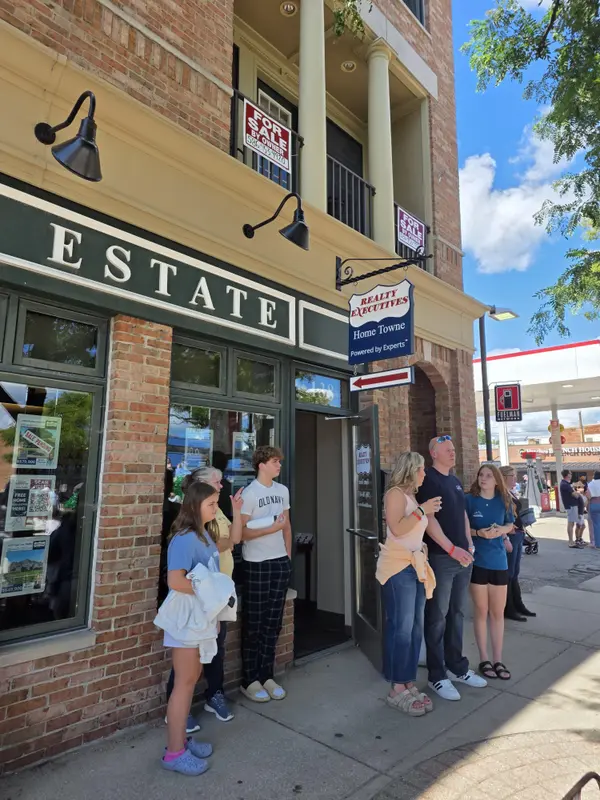

A Beautiful Family Home Awaits in Fort Gratiot’s Sought-After Neighborhood
A Beautiful Family Home Awaits in Fort Gratiot’s Sought-After Neighborhood If you’ve been dreaming of a place where comfort meets community, 3276 Shorewood Ave in Fort Gratiot is calling your name. Nestled in one of the area’s most desirable subdivisions, this spacious four-bedroom, four-bath home o
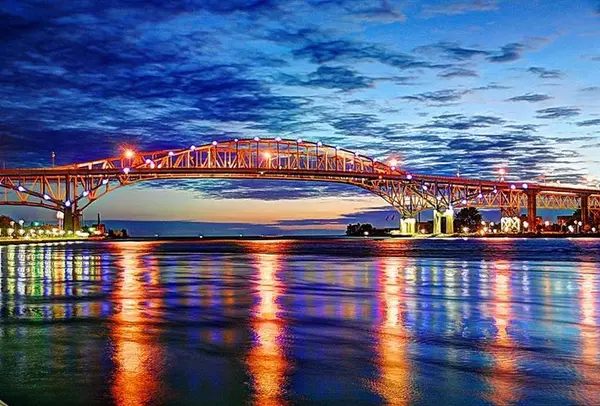
Buying or Selling a Home in St. Clair County, Michigan: A Local Agent's 2026 Guide
Buying or Selling a Home in St. Clair County, Michigan: A Local Agent's 2026 Guide If you're searching for homes for sale in St. Clair County, MI — or trying to figure out what your house in Port Huron or Fort Gratiot is worth — you're in the right place. This guide answers the questions buyers and
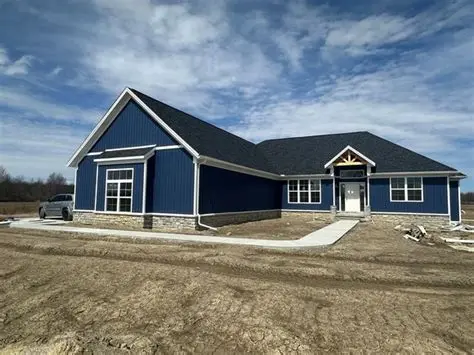
Another New Construction Success Story in China Township
Frank Locricchio Helps Buyers Secure a Beautiful New Construction Home at 7082 Springborn Road The new construction market across St. Clair County continues to attract buyers looking for modern designs, energy efficiency, and the opportunity to enjoy country living without sacrificing convenience. T
WORK WITH US
Reach out to an expert real estate agent today. Dive into the world of luxury real estate with guidance from our devoted team. Your dream home is within reach.

GET IN TOUCH

Broker License ID: 8746335